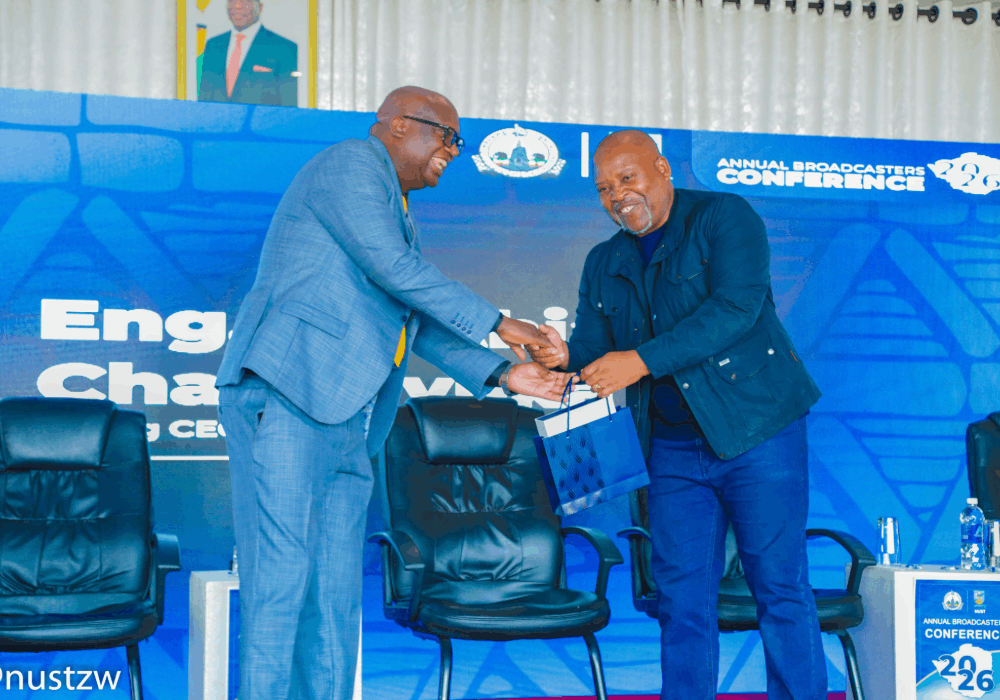
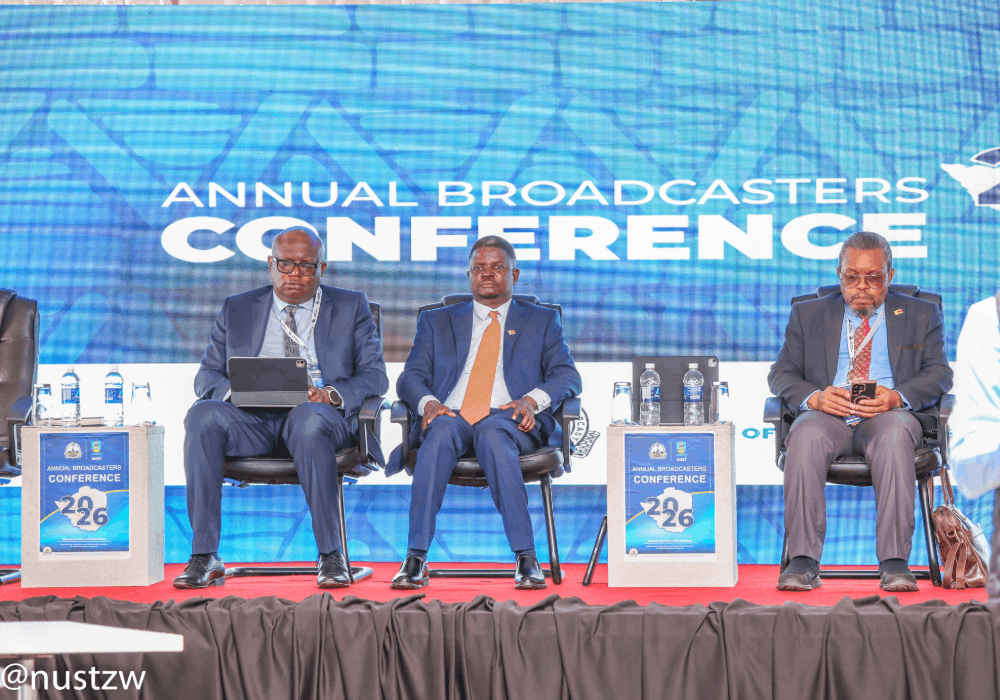
The National University of Science and Technology (NUST) has reinforced its commitment to innovation and industry engagement after successfully hosting the 2026 edition of the Annual Broadcasters Conference, a two-day event which highlighted the urgent need for broadcasters to adapt to the rapidly evolving digital era.
Held at the NUST campus in Bulawayo from 17 to 18 June, the conference was organised in collaboration with the Broadcasting Authority of Zimbabwe (BAZ) and ran under the theme, "Shaping the Future of Broadcasting: Sustainability, Innovation and Collaborative Regulation in a Disruptive Media Landscape,". The conference brought together academics, industry experts, regulators, policymakers and other stakeholders from across the media landscape and provided a platform for dialogue on the opportunities and challenges facing the broadcasting sector in an increasingly digital world
Discussions centred on critical issues shaping the future of broadcasting, including digital convergence, artificial intelligence, cloud broadcasting and automation, sustainability, regulatory reform, public service broadcasting, content innovation, investment opportunities and audience engagement in the digital age.
One of the conference speakers, Makhosi Sibanda from the National University of Science and Technology, emphasised the need for media organisations to develop sustainable business strategies, diversify revenue streams, strengthen governance structures and adopt an ecosystem approach to addressing challenges facing the broadcasting sector.
"The key would be for policymakers, academia and universities to collaborate. Innovation will happen when there is collaboration," said Sibanda.
He added that the future of broadcasting would largely depend on the decisions being made today.
"The future of broadcasting will be determined by the decisions we make now," he said.
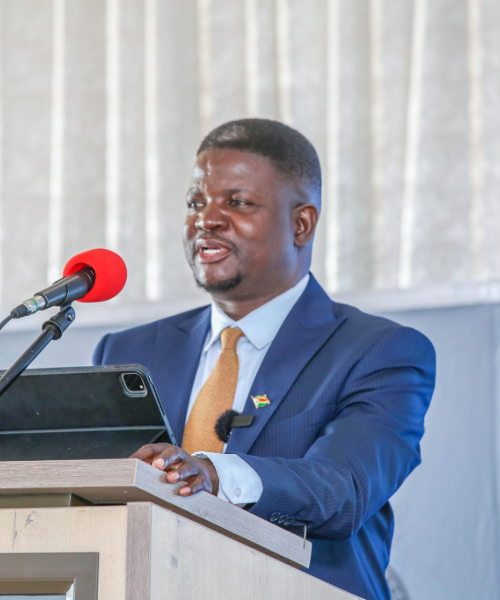
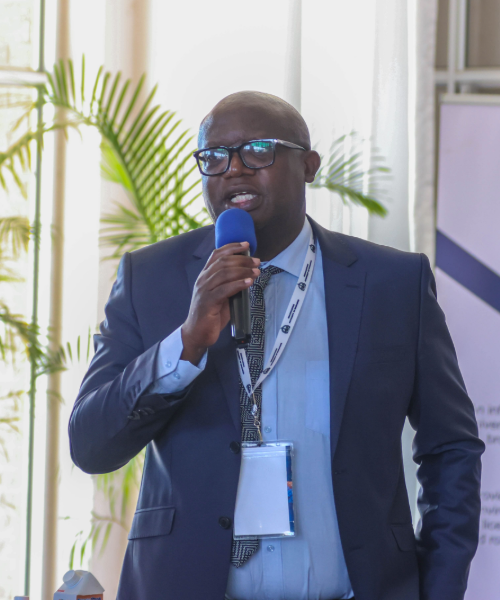
Speaking on the role of the media in national development, Zimbabwe Media Commission representative Mr Chinamhora stressed the need for media organisations to remain responsive to the needs and interests of Zimbabwean audiences while serving the public interest.
"We need to look at various issues relating to our consumption preferences. We are now dealing with a media environment that is converged rather than separated into traditional platforms," he said.
 |
 |
Another speaker, Henry Makombe of the Zimbabwe Music Rights Association (ZIMURA), highlighted the growing importance of artificial intelligence in the broadcasting sector. He urged industry players to embrace emerging technologies, particularly artificial intelligence, noting that it has the potential to enhance efficiency, drive innovation and improve effectiveness across the industry.
He encouraged broadcasters and other industries to adopt technological advancements rather than resist them.
"Let's embrace artificial intelligence. Every industry should avoid resisting technology because those who fail to adapt risk being left behind, including broadcasters," he said.
Among the key resolutions adopted at the conference where the need to modernise broadcasting laws and regulations, strengthen governance and the ethical use of artificial intelligence, promote digital sovereignty, enhance industry-academia collaboration, improve the sustainability of media organisations, prioritise skills development, strengthen media literacy and professional standards, preserve Zimbabwe's broadcasting heritage and foster greater multi-stakeholder collaboration.
The event attracted support from key industry players, including the Zimbabwe Broadcasting Corporation (ZBC), MultiChoice Zimbabwe, Econet Wireless Zimbabwe, TelOne, Azam TV, Transmedia Corporation, the Zimbabwe Media Commission (ZMC), POTRAZ and IMS among others.
The successful hosting of the conference reflects NUST's commitment to the principles of Education 5.0, which emphasise innovation, industrialisation and the generation of knowledge that contributes to solving real-world challenges and advancing socio-economic development.